
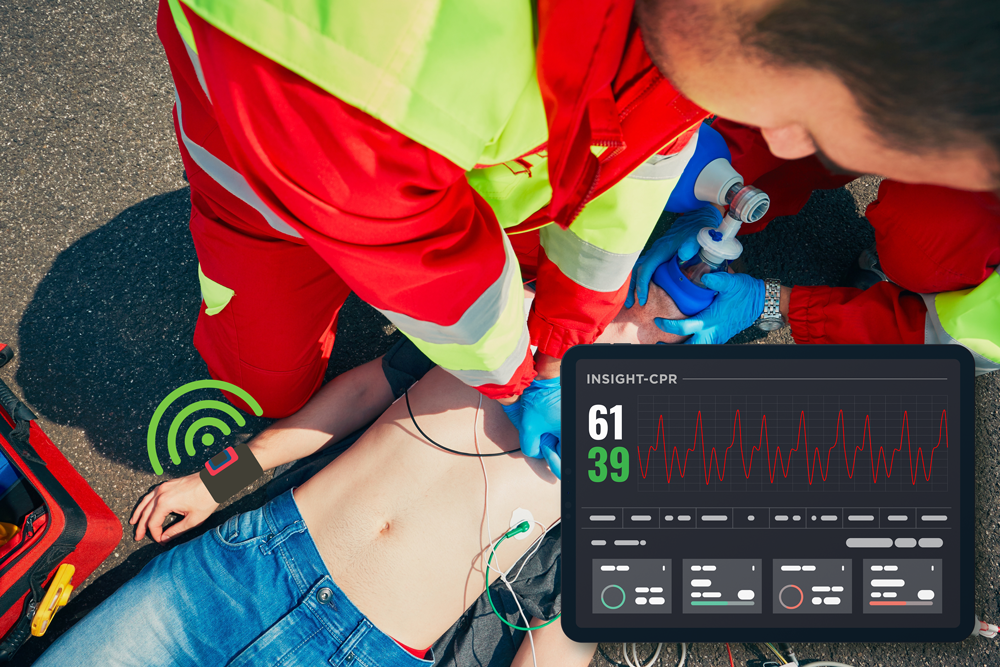
Know your resuscitation is working.
Every time. For every patient.
Every year, over 350,000 out-of-hospital and nearly 290,000 in-hospital cardiac arrests occur in the US.
Three out of four out-of-hospital cardiac arrest patients do not survive to hospital admission.
The reason comes down to blood flow. To restart the heart, rescuers must optimize the pressure driving blood flow to the heart.
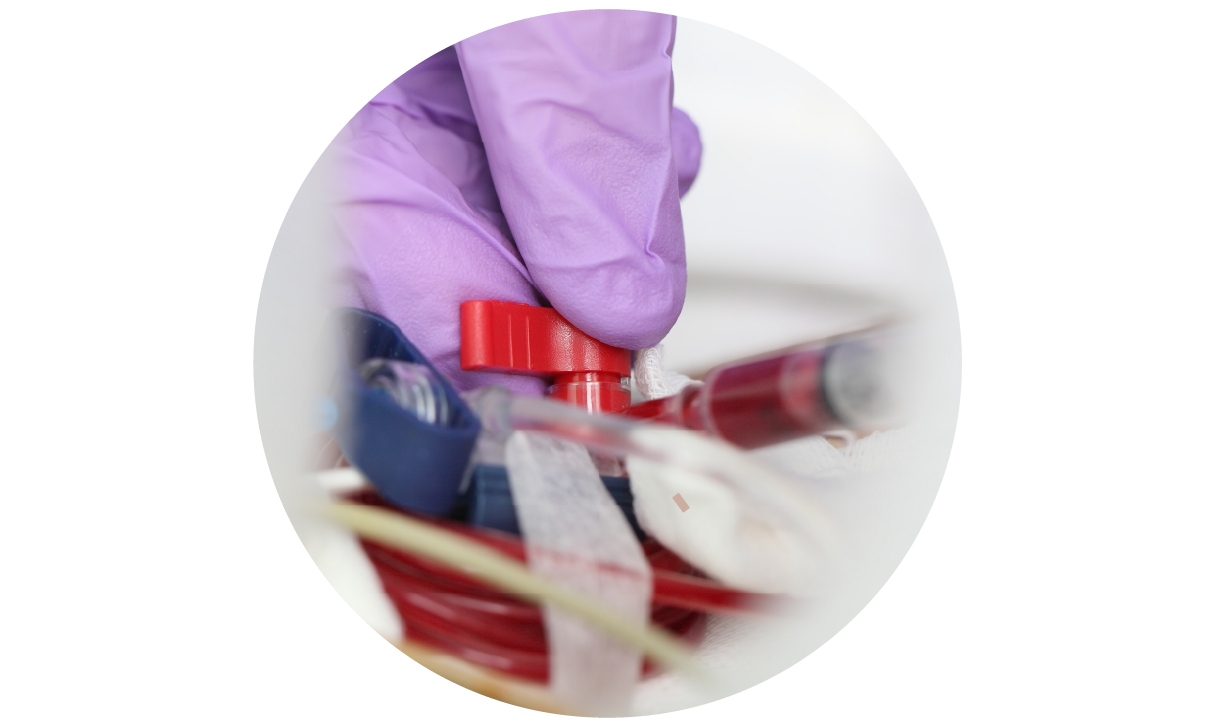
Measuring it requires invasive arterial catheters, which are often impossible to place in time.
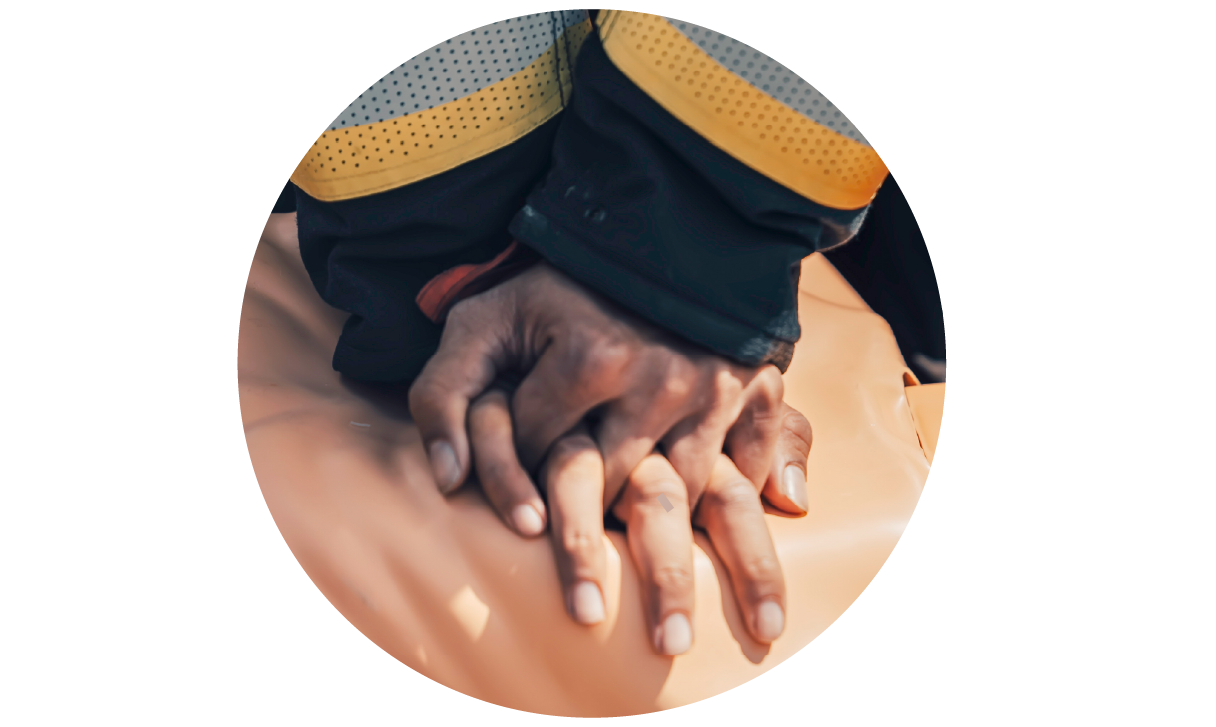
Even when catheters are in place, chest compressions distort the readings.
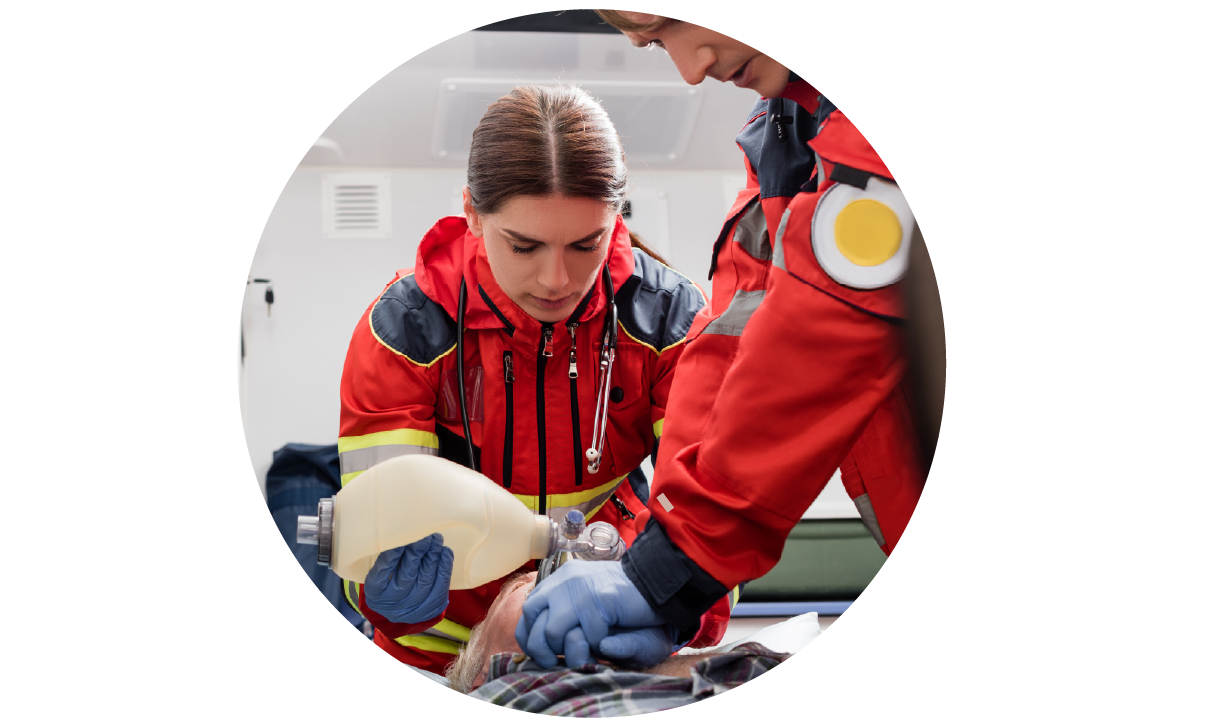
As a result, rescuers are making life-or-death decisions without accurate data.
INSIGHT-CPR enables rescuers to assess and refine their resuscitation techniques in real-time, providing every cardiac arrest patient the best chance at survival with good outcomes.
No Invasive Lines.
No delays.
A durable noninvasive cuff sensor captures real-time diastolic blood pressure during chest compressions, engineered to function through defibrillation shocks and the full demands of resuscitation.

Accurate signal where it matters most.
An embedded AI algorithm, developed at the University of Michigan and trained on diverse adult and pediatric arterial waveform data, delivers accurate real-time estimates of the pressure driving blood flow to the heart.

The sensor package integrates directly with standard resuscitation devices and gives every rescuer a new tool to restart the heart during resuscitation.
Designed to integrate.
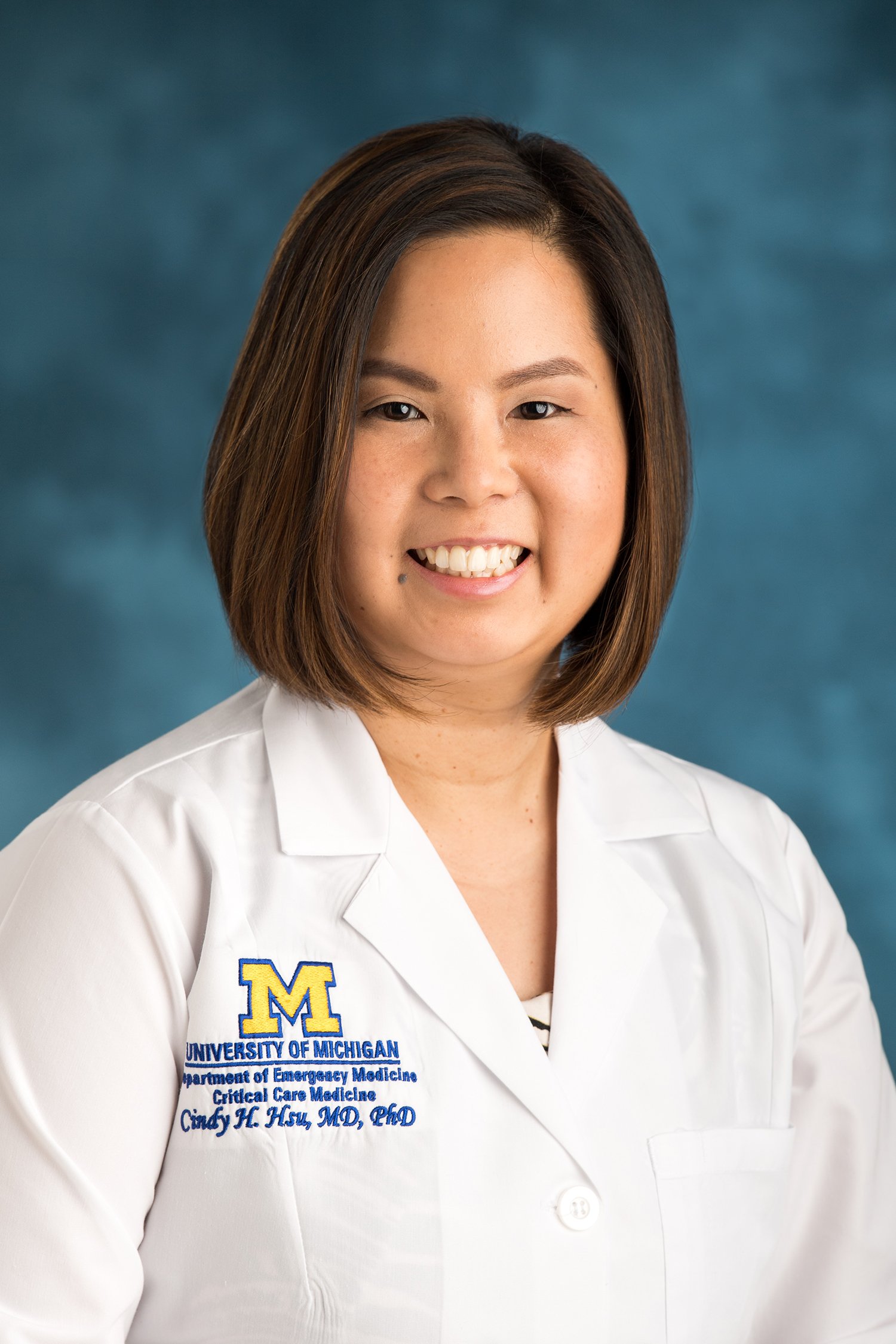
“Our goal with INSIGHT-CPR is to fundamentally change how cardiac arrest is treated. We remove the need for invasive monitoring, eliminate the guesswork for rescuers and tailor resuscitation strategies to the individual patient. Even saving an additional 10% of cardiac arrest patients means over 60,000 more lives each year.”
Cindy Hsu, MD, PhD, MS
Principal Investigator, INSIGHT-CPR
Division Chief of Critical Care
Associate Professor of Emergency Medicine and Surgery
Michigan Medicine

Partner With Us
INSIGHT-CPR is actively seeking clinical, industry and research partners to advance this technology toward patients.